How Zohran Mamdani's Anti-Zionism is Fracturing New York – and Propelling Him Toward City Hall
Updated: Oct 28, 2025

As early voting shatters records in New York City's mayoral race – with over 500,000 ballots cast in the first weekend alone – Democratic Socialist Zohran Mamdani holds a commanding lead, polling at 49% against independent Andrew Cuomo's 28%. With Election Day just days away on Nov. 4, Mamdani's surge reflects a potent mix of economic frustration and progressive energy. Yet for New York's Jewish community – the largest outside Israel, numbering nearly 1.1 million – this frontrunners' unapologetic anti-Zionism has ignited profound unease. Critics argue his rhetoric and pledges don't just challenge Israeli policy; they erode the legitimacy of Jewish self-determination, potentially emboldening antisemitism in a city reeling from a 300% spike in hate crimes since October 2023. Mamdani's response? A firewall of affordability promises that has neutralized much of the backlash, exposing rifts in Jewish political cohesion and signaling a generational pivot in American urban politics.
Who is Zohran Mamdani?
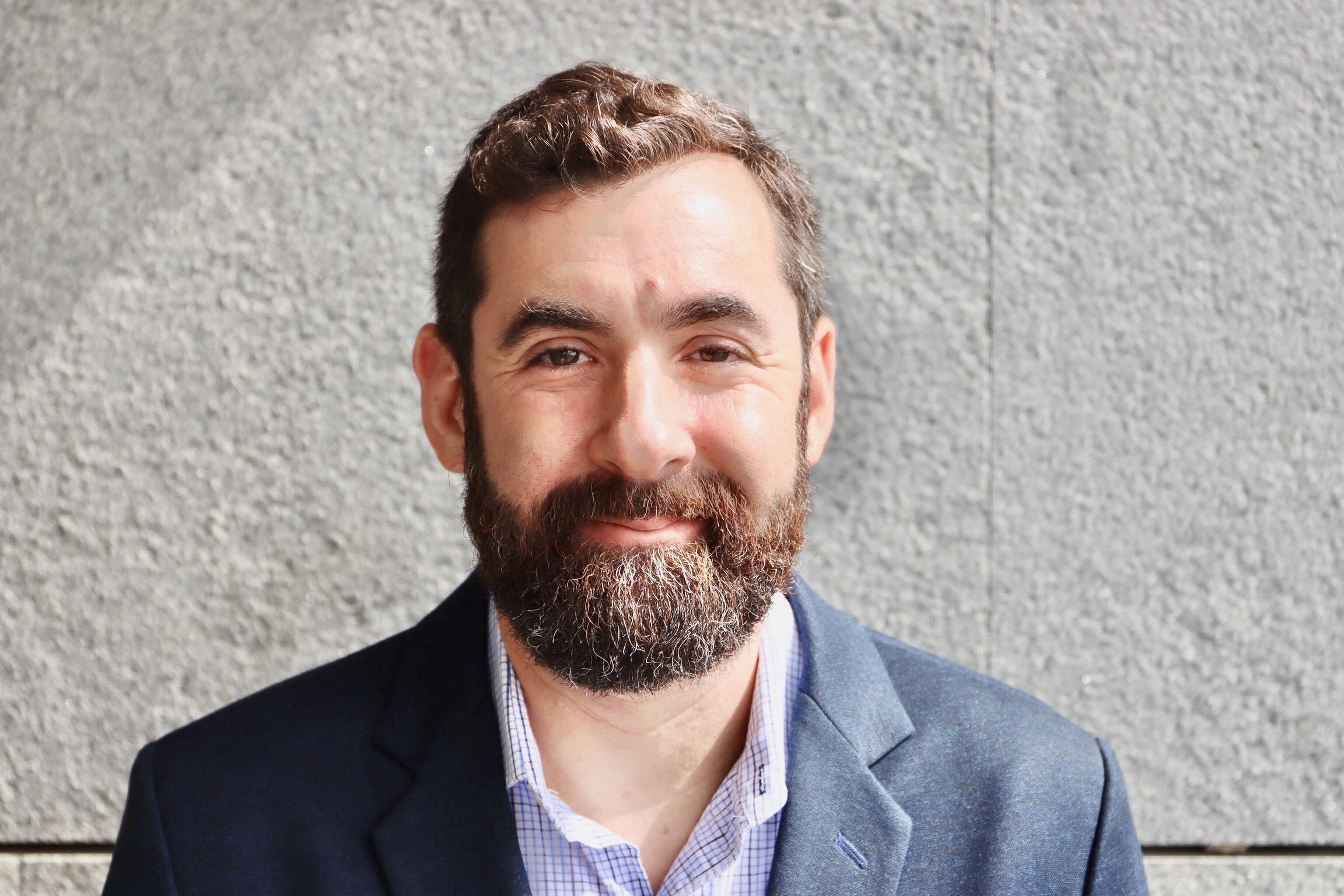
Mamdani, a 34-year-old Ugandan-born assemblyman and practicing Muslim, first gained national attention as a co-founder of Students for Justice in Palestine at Bowdoin College. Now, his bid to become the city's first Muslim mayor – and potentially its most vocal Israel critic in the executive suite – has forced a reckoning. Over a thousand rabbis and cantors have signed an open letter warning that his mayoralty could “[d]elegitimize the Jewish community and encourage and exacerbate hostility toward Judaism and Jews,” while progressive Jewish groups like Jews for Racial and Economic Justice rally behind him, framing his stance as a moral imperative for human rights. This tension isn't abstract: A recent poll found 26% of New Yorkers, including many Jews, considering leaving the city if Mamdani wins, citing fears over safety and policy shifts.
The campaign was briefly jolted this week by a controversy over Mamdani’s retelling of a 9/11-era family story. In a televised appearance, he described an aunt who, as a Muslim woman wearing a hijab, had been too frightened to ride the subway after the attacks.
Within days, reporters discovered that his only living aunt was living abroad at the time and does not wear a headscarf. Mamdani later clarified that he had been referring to a deceased distant cousin, saying he had “misspoken,” but critics—including relatives of 9/11 victims and Vice President J.D. Vance—accused him of exploiting tragedy for political gain. The episode fed into broader questions about his authenticity and judgment, though his campaign insists the focus should remain on housing and affordability rather than “personal gotchas.”
Core antisemitism accusations: From slogans to symbolic arrests
Mamdani's positions on Israel have long drawn fire for blurring lines between policy critique and communal delegitimization. Supporters see principled advocacy for Palestinian rights; detractors, including Rep. Ritchie Torres and Gov. Josh Shapiro, view them as double standards that isolate Jews by association with Zionism. Here are the flashpoints, updated amid the campaign's final push:
Defending "Globalize the Intifada": In a recent Bulwark podcast, Mamdani sidestepped condemning the slogan – tied to Palestinian uprisings that killed over 1,000 Israelis in the 1980s and 2000s – as a call for "global justice" rather than violence. The American Jewish Committee labels it inherently antisemitic for evoking attacks on Jewish civilians.
Equivocating on Israel's Jewish Character: During a June forum, Mamdani affirmed Israel's "right to exist as a state with equal rights" but rejected its status as a Jewish state, arguing against "hierarchy based on religion." This nuance alarms leaders like Rabbi Elliot Cosgrove, who see it as denying the post-Holocaust refuge central to Jewish identity.
BDS Advocacy and the "Not on Our Dime" Act: Mamdani's longstanding support for Boycott, Divestment, and Sanctions (BDS) – which seeks to economically pressure Israel – extends to sponsoring legislation barring New York nonprofits from funding settlements or military aid. Opponents, including 25 assemblymembers, decry it as a "ploy to demonize Jewish charities."
The Netanyahu Arrest Pledge: Mamdani vows to direct the NYPD to detain Israeli Prime Minister Benjamin Netanyahu under an ICC warrant for alleged Gaza war crimes – a stance he extends to figures like Vladimir Putin, though critics note its laser-focus on Israel. Legal experts deem it unenforceable, clashing with federal primacy, but the symbolism stings: It equates Israel's leader with indicted autocrats, fueling perceptions of bias.
October 7 Response and Gaza Rhetoric: Mamdani's post-massacre statement mourned "lives lost across Israel and Palestine" but pivoted to Israeli "occupation" and "genocide," omitting Hamas. He has since called Israel's Gaza operations a "genocide," drawing rebukes from groups like the American Jewish Committee for ignoring Hamas atrocities.
These aren't isolated gaffes; they form a pattern that, per JNS analysis, "shifts the burden onto Jews to prove their loyalty," potentially normalizing anti-Zionism as a litmus test for leadership.
A community in reckoning: divisions and mobilization
New York's Jews have long wielded outsized influence, from Fiorello La Guardia's interwar coalitions to Ed Koch's pro-Israel mayoralty. But Mamdani's rise has splintered this bloc along ideological and generational lines. Orthodox and centrist groups, like Crown Heights United PAC (endorsing Cuomo with 13 rabbis' signatures), frame him as an "extremism" enabler amid rising attacks – hundreds of antisemitic incidents in NYC this year alone. The rabbi's letter, now with over a thousand signatories, warns of "spurred violence."
Yet progressive and younger Jews – 67% under 44 in a Guardian poll – back Mamdani, drawn to his anti-hate pledges and domestic focus. Groups like Jews for Zohran canvass the Upper West Side, emphasizing his universal childcare as "Jewish values in action." Neturei Karta, an anti-Zionist Orthodox faction, even denounced smears against him as "Zionist propaganda." A CBS poll shows Jewish voters split: 42% Cuomo, 38% Mamdani, with turnout key in Orthodox precincts.
This fracture mirrors broader diaspora tensions, where anti-Zionism tests communal unity. As one Forward op-ed asks: If Mamdani is the future of the Democratic party, how will Jews respond?
Populism as shield: affordability over allegiance
Mamdani's edge lies in decoupling foreign policy from fiscal pain. His platform – freezing rents on 1 million stabilized units, universal childcare for ages 0-5, fare-free buses, and city-run grocery co-ops – taps NYC's affordability crisis, where median rent hit $4,700 this year. Funded by a 2% tax on millionaires and corporate hikes yielding $10 billion annually, these pledges resonate: 84% of his supporters are "definitely" voting, per Emerson polling.
Powered by the Democratic Socialists of America, Mamdani's machine boasts over 50,000 volunteers, dwarfing Cuomo's war chest. He dominates under-50s, per AARP, as economic woes eclipse Israel debates. Even Jewish outreach ties back: "Combating antisemitism means affordable homes for all," Mamdani told a Brooklyn synagogue.
This strategy echoes historical urban shifts, like how Irish immigrants leveraged machine politics in 19th-century NYC. For Mamdani, anti-Zionism energizes his base without alienating those concerned about affordability.
Echoes of history: Jewish power in a changing Metropolis
NYC's Jews have shaped its soul – from the Yiddish theaters of the Lower East Side to the UJA-Federation's postwar clout. Mayors like Koch visited Israel routinely; Bloomberg hosted Netanyahu. Mamdani's ascent challenges this norm, amid a community evolving from post-Holocaust solidarity to diverse voices: More conservative Jews fear isolation, while Brooklyn progressives critique "U.S. complicity."
Beyond the ballot: A diaspora at crossroads
If Mamdani wins – and Kalshi now gives him 92% odds – Mamdani's mayoralty could validate anti-Zionism in Democratic bastions, pressuring charities via audits and reshaping education on Middle East curricula. For Jews, it's a dual bind: A leader pledging anti-hate programming yet symbolizing delegitimization. Supporters like JVP's Beth Miller hail it as ending apartheid complicity; foes warn of exodus and emboldened hate.
In a city where identity politics meets municipal grit, Mamdani's triumph would underscore a truth: Delegitimization divides, but deliverance demands. As ballots drop, New York's Jews – and its next mayor – face a test of resilience amid reinvention.

Elon Gilad is an Israeli author, journalist, and linguist. His work focuses on uncovering the historical roots of contemporary issues, particularly in current affairs, Jewish history, and the Hebrew language. Gilad is the author of "The Secret History of Judaism." His analytical pieces draw on his diverse background to provide unique insights into complex issues.